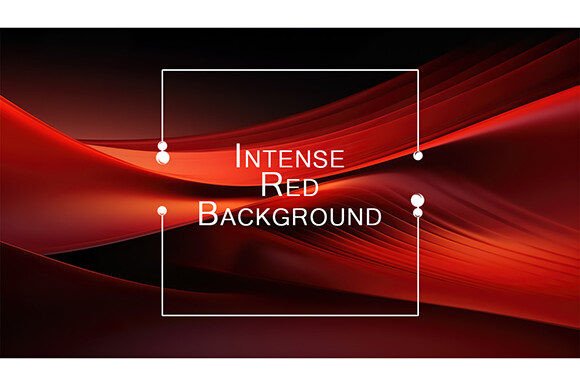
Intense Red Background: A Strategic Asset for Modern Design
In a digital landscape saturated with muted pastels, minimalist greys, and safe corporate blues, the Intense Red Background stands as a deliberate declaration of presence. It is not merely a color choice; it is a psychological trigger that demands attention, conveys urgency, and establishes authority. For professionals, creators, and entrepreneurs navigating an increasingly crowded market, the ability to cut through visual noise is paramount. This high-resolution asset offers more than just aesthetic appeal; it provides a robust foundation for branding and communication strategies that require immediate engagement.
The specific iteration of this resource—optimized at 3675x2100 pixels with a premium 300 DPI resolution in JPEG format—addresses a critical gap in the creative workflow. While many stock images are optimized for web display (72 DPI), they often fail when scaled for physical media or high-density displays. By utilizing a file designed with print-grade quality in mind, designers ensure that their vision remains crisp whether it appears on a mobile screen, a large-format poster, or a tangible business card. The transition from digital screens to physical touchpoints has blurred, and the demand for assets that bridge this divide seamlessly has never been higher.
The Psychology of Intensity in Digital Environments
Color theory has long established red as a hue associated with passion, energy, danger, and excitement. However, in modern design contexts, the application of an intense red background shifts the narrative from mere decoration to strategic communication. When a user scrolls through a social media feed, their eyes are drawn to movement and contrast. An intense red backdrop creates a visual anchor that stops the scroll. It signals importance before a single word is read.
This intensity is particularly relevant in the current era of short-form content and rapid consumption. Audiences aged 20 to 50 have developed a heightened sensitivity to visual clutter. They expect content to be direct and impactful. A subtle gradient might blend into the background of a news site, but an intense red field commands the viewer to focus. It creates a sense of exclusivity and boldness that resonates with brands looking to differentiate themselves. Whether it is a startup launching a disruptive product or an educator highlighting a critical concept, the color serves as a powerful tool for hierarchy and emphasis.
Furthermore, the psychological weight of red influences conversion rates. In marketing and e-commerce, this color is frequently used to highlight calls to action because it triggers a physiological response that increases heart rate and draws the eye. By integrating this background into applications or websites, businesses can guide user behavior more effectively. It is not about overwhelming the user, but rather providing a clear, unambiguous path forward. The depth of the red in this 3675x2100 px image ensures that text overlays remain legible while maintaining that commanding presence.
Bridging the Gap Between Digital and Physical Media
One of the most significant challenges facing creatives today is the inconsistency between digital previews and final printed outputs. Many designers struggle when a vibrant on-screen graphic loses its impact once printed on paper, resulting in dull colors or pixelation. This is where the specifications of this particular asset become vital. The 300 DPI standard is the industry benchmark for high-quality printing, ensuring that every detail is rendered with sharpness and clarity.
For small business owners and freelancers, the ability to use a single asset across multiple platforms streamlines the production process. Imagine creating a cohesive brand identity where your website header, your Instagram story highlights, your printed postcards, and your event invitations all share the same visual DNA. With a file that supports both high-resolution web viewing and professional printing, the need for multiple variations disappears. This efficiency allows professionals to focus on strategy and content rather than technical adjustments.
The versatility extends to various physical formats. Consider a packaging designer working on a limited-edition product launch. The intense red background can provide a luxurious, dramatic stage for gold foil stamping or embossing, creating a tactile experience that elevates the perceived value of the item. Similarly, for wall art or notebooks, the high resolution ensures that the texture and tone of the red remain consistent even when viewed up close. There is no compromise between the digital prototype and the physical reality, a distinction that separates amateur projects from professional deliverables.
Practical Applications Across Creative Industries
The utility of this background transcends simple aesthetics, finding practical application across a wide spectrum of industries. For bloggers and content creators, the background serves as a dynamic canvas for typography. Overlaid with white or contrasting fonts, it creates high-contrast headers that improve readability and engagement. In the realm of social media branding, these visuals help maintain a consistent aesthetic that followers can instantly recognize, fostering trust and loyalty.
- Business Cards: A standard white card is forgettable. An intense red background transforms a business card into a conversation starter, signaling confidence and creativity to potential clients.
- Posters and Invitations: For events ranging from tech conferences to artistic galas, the background sets the tone immediately. It suggests an atmosphere of energy and sophistication without requiring complex graphics.
- Packaging: In retail environments, products surrounded by competitors' packaging must stand out. A bold red base can make a product line appear premium and urgent.
- Wall Art: For interior designers and homeowners, this background offers a striking focal point that adds warmth and drama to a space.
Even in the realm of software development, this asset finds a niche. Application developers often seek backgrounds that reduce eye strain while maintaining a professional look. While black is common for dark modes, an intense red can be used strategically for error states, notifications, or primary action buttons, guiding users through complex interfaces with intuitive visual cues.
Evolving Trends in Visual Communication
The rise of the "Intense Red Business Background" reflects a broader shift in design trends toward maximalism and emotional resonance. After years of minimalism dominating the design world, there is a growing appetite for designs that express personality and emotion. Consumers are tired of sterile, generic templates. They crave authenticity and vibrancy. This trend aligns with the modern desire for brands to show their human side, to be loud, and to be memorable.
As remote work and digital collaboration continue to shape the workforce, the need for high-quality, versatile visual assets has increased. Teams working remotely cannot always rely on local print shops or specialized design teams for every project. Having a library of premium, ready-to-use resources like this 300 DPI JPEG allows distributed teams to execute professional campaigns quickly and effectively. It democratizes access to high-end design elements, enabling smaller teams to compete with larger corporations.
Moreover, the evolution of technology means that screens are becoming sharper and more colorful. High Dynamic Range (HDR) displays and Retina screens can render the nuances of this intense red with greater fidelity than ever before. Designers who ignore this capability risk their work looking flat on modern devices. By choosing a background that leverages high resolution and rich color depth, creators future-proof their content against changing hardware standards.
Making the Most of Your Design Assets
To truly leverage the potential of this Intense Red Background, users should approach it with intentionality. The power of the color lies in its balance. Using it as a full-page background requires careful consideration of typography, spacing, and secondary colors. The goal is to create harmony, not chaos. Text should be chosen for maximum contrast and readability, ensuring that the message is delivered clearly despite the bold backdrop.
Creators are encouraged to experiment with layering. Combining this background with textures, gradients, or photographic elements can add depth and prevent the image from appearing flat. Because the file is in JPEG format, it integrates easily into almost any design software, from Adobe Creative Cloud to Canva. Its dimensions of 3675x2100 pixels offer flexibility, allowing for cropping and resizing without sacrificing the integrity of the image.
Ultimately, the value of this asset is not just in its resolution or format, but in its ability to communicate. In a world where attention is the most scarce resource, an intense red background acts as a beacon. It tells the audience that what follows matters. Whether you are a marketer crafting a campaign, an entrepreneur building a brand, or an artist expressing a vision, having a tool that combines technical excellence with emotional impact is essential. By integrating this resource into your workflow, you are not just adding a color; you are enhancing the effectiveness of your entire communication strategy.