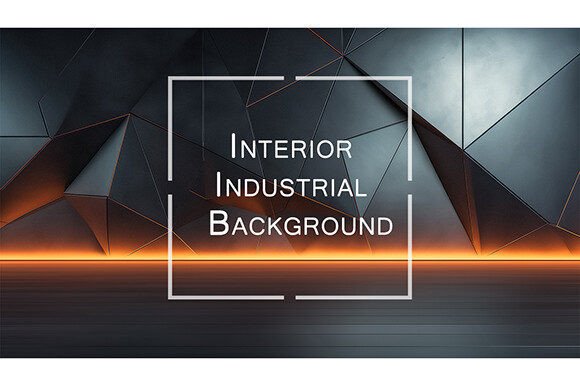
Interior Industrial Background: Strategic Applications for Professional Branding
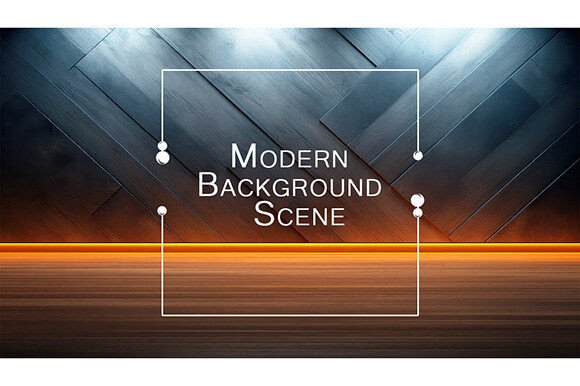
The visual language of modern business has shifted significantly. Where once clean, sterile minimalism dominated corporate identity, there is a growing demand for textures that convey authenticity, resilience, and grounded creativity. This shift brings the Interior Industrial Background to the forefront of design strategy. Specifically, the high-resolution asset featuring an interior industrial setting with metal walls and dynamic light effects offers more than just aesthetic appeal; it provides a strategic foundation for communication that resonates with today's discerning audiences.
When you select a 3675x2100 px - 300 DPI - JPEG format file of this caliber, you are not merely downloading an image. You are acquiring a premium quality tool designed to elevate your brand's operational narrative. The interplay of raw metal surfaces and controlled lighting creates a psychological cue of stability and innovation, making it an ideal backdrop for entrepreneurs, marketers, and creators who need to project competence without sacrificing artistic flair.
Defining the Visual Asset and Its Technical Superiority
To utilize any digital asset effectively, one must first understand its technical specifications and how they translate into real-world applications. The Interior Industrial Background in question is defined by its precise dimensions and resolution. At 3675 pixels wide by 2100 pixels tall, the aspect ratio allows for versatile cropping across various media formats without compromising the integrity of the composition. The inclusion of a metal wall element introduces texture, while the specific light effect adds depth and dimensionality that flat colors cannot achieve.
The critical factor here is the 300 DPI (Dots Per Inch) specification. In the world of print and high-definition digital displays, this resolution ensures that every detail remains crisp. Whether you are producing large-format posters or intricate packaging, a 300 DPI file prevents the pixelation that often undermines professional credibility. The JPEG format provides broad compatibility, ensuring seamless integration into design software used by freelancers, agencies, and small business owners alike.
This level of technical precision is essential for decision-makers who prioritize long-term results over quick fixes. A blurry or low-resolution background can distract from your core message, whereas a sharp, high-fidelity image reinforces the perception of quality. When your audience sees a product on a notebook or a service card printed against a clear industrial backdrop, their subconscious registers attention to detail as a reflection of your own standards.
Strategic Alignment: Matching Tone to Business Objectives
Selecting a background is rarely a random choice; it is a strategic decision that aligns your visual identity with your business goals. The Interior Industrial Background with its metallic elements and dramatic lighting serves specific positioning needs. It suggests an environment where work is done, ideas are forged, and operations run efficiently. This makes it particularly effective for industries such as manufacturing, technology, logistics, architecture, and creative studios.
For entrepreneurs and startups, this imagery can help bridge the gap between ambition and reality. It grounds a new brand in a tangible, robust context, signaling that the company is built to last. For established businesses, it offers a way to refresh their visual identity without losing their core values. By incorporating this background into marketing materials, you communicate a message of durability and forward-thinking innovation.
Consider the psychological impact of the "metal wall" component. Metal is associated with strength, endurance, and modernity. When combined with light effects, it introduces a sense of energy and dynamism. This combination is powerful for branding campaigns that aim to highlight growth, transformation, or cutting-edge solutions. It moves away from the passive nature of soft pastels and embraces a bold, confident stance that appeals to adult professionals aged 20–50 who value substance over style.
Practical Applications Across Media Channels
The versatility of this high-resolution asset allows for its deployment across a diverse spectrum of platforms and physical products. The key to success lies in intentional application rather than indiscriminate usage. Below are specific scenarios where the Interior Industrial Background delivers maximum strategic value:
- Website and Digital Interfaces: Use the full-width version as a hero section background for landing pages. The 3675px width ensures it covers desktop screens perfectly, while the high contrast of the light effects draws the eye immediately to your call-to-action buttons. This improves user engagement and reduces bounce rates by creating a visually immersive experience.
- Social Media Branding: Adapt the image for cover photos on LinkedIn, Facebook, or Twitter. The industrial aesthetic stands out in crowded feeds, differentiating your profile from competitors using generic stock photography. It signals to followers that your content is professionally curated and relevant to serious industry discussions.
- Print Marketing Materials: Leverage the 300 DPI resolution for business cards, invitations, and postcards. When printed, the texture of the metal wall and the nuance of the light effects become tactile experiences. This elevates the perceived value of your brand, encouraging recipients to keep the item rather than discard it.
- Packaging and Product Design: For brands selling hardware, tools, tech accessories, or artisanal goods, this background provides a sophisticated stage. It frames the product in an environment that suggests utility and craftsmanship, enhancing the unboxing experience and reinforcing brand loyalty.
- Wall Art and Office Environments: Large-scale prints of this background can transform office spaces or retail environments. They create a focused atmosphere that boosts productivity and inspires creativity among employees and clients alike.
Planning and Implementation Guidelines
While the asset is powerful, its effectiveness depends on thoughtful planning and execution. Before integrating the Interior Industrial Background into your workflow, consider the following strategic observations to ensure alignment with your objectives.
Contrast and Readability: The primary risk with textured backgrounds is text legibility. The metal wall and light effects contain varying shades of gray and silver. To maintain clarity, always use high-contrast text overlays. White or bright yellow text typically works best against darker industrial tones. Ensure your typography is bold and sans-serif to complement the rugged aesthetic without competing with it.
Cropping and Composition: With a resolution of 3675x2100, you have flexibility, but you must be deliberate. If you are designing for mobile devices, crop the image to focus on the most impactful area, perhaps the center where the light hits the metal wall. Avoid stretching the image, which will distort the perspective and ruin the professional look. Always export a specific version tailored to the device or medium.
Consistency Across Touchpoints: Your branding should feel cohesive. If you choose this industrial theme for your website, it should echo in your social media headers and printed collateral. Consistency builds trust. However, do not force the background everywhere. Reserve it for contexts where the industrial metaphor fits naturally. Using it for a children's event invitation or a luxury spa brochure would create cognitive dissonance and confuse your audience.
Risks of Unintentional Usage
Even high-quality assets can backfire if used without clear goals. The Interior Industrial Background carries specific connotations. If applied randomly, it can make a brand appear cold, unwelcoming, or overly aggressive. For example, a boutique bakery might find that the harshness of the metal walls detracts from the warmth and comfort associated with their products. In such cases, the background fights the message rather than supporting it.
Another risk is the "generic stock photo" trap. Because industrial themes are popular, overuse can lead to a lack of differentiation. To avoid this, customize the image. Add your own color grading, overlay your logo strategically, or combine it with unique illustrations. This transforms the asset from a template into a bespoke element of your brand identity.
Furthermore, neglecting the technical requirements can damage your reputation. While the source file is 300 DPI, resizing it down for web use without proper compression can still result in poor performance. Conversely, printing a low-resolution version of a high-res file will result in blurriness. Always verify the output settings before finalizing any production run.
Long-Term Value and Decision-Making
In the broader scope of business strategy, investing in premium assets like this 300dpi high resolution JPG is a decision that pays dividends over time. It reduces the need for constant re-designing due to quality issues. It establishes a standard of excellence that permeates your customer experience. When every touchpoint, from a digital ad to a physical notebook, reflects the same high level of care, your brand gains authority.
For educators, bloggers, and publishers, this background can serve as a reliable anchor for educational content about engineering, design, or modern history. It provides a neutral yet engaging canvas that keeps the audience focused on the information presented. For freelancers and agency owners, having a library of such versatile, high-quality backgrounds streamlines the creative process, allowing them to deliver better results faster.