Modern Background Scene: A Comprehensive Evaluation for Professional and Creative Applications
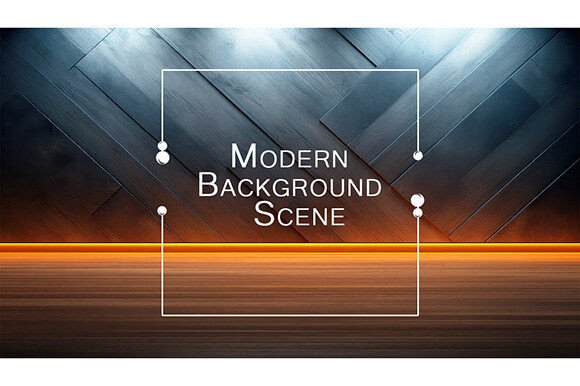
In the landscape of digital design, selecting the right visual foundation is often the difference between a project that feels cohesive and one that appears disjointed. The Modern Background Scene has emerged as a versatile asset for professionals seeking a balance between contemporary aesthetics and functional utility. This specific composition, characterized by a clean gray wall paired with a warm brown floor, offers a neutral yet textured backdrop that adapts seamlessly to diverse creative needs. Understanding the nuances of this style is essential for designers, marketers, and content creators who are evaluating resources for high-impact projects.
Defining the Modern Background Scene Aesthetic
The term "Modern Background Scene" in this context refers to a specific photographic or rendered environment designed to evoke a sense of minimalism and structural clarity. Unlike abstract patterns or busy landscapes, this scene relies on architectural simplicity. The core visual elements are the juxtaposition of a cool-toned gray wall and an earthy brown floor. This combination creates a natural gradient effect that draws the eye without overwhelming it.
The distinctiveness of this scene lies in its ability to serve as a canvas rather than a subject. The gray wall provides a neutral upper section that mimics the look of modern interior spaces, while the brown floor adds grounding and warmth. This duality allows the background to support various types of foreground content, whether it is bold typography, product photography, or intricate graphic overlays. The resolution specifications—3675x2100 pixels at 300 DPI in JPEG format—ensure that the image retains crispness even when scaled for large-format printing or viewed on high-density displays.
Technical Specifications and Quality Standards
When evaluating digital assets, technical fidelity is paramount. The Modern Background Scene is delivered as a premium quality JPEG file, which balances compression efficiency with visual integrity. The 300 DPI (dots per inch) resolution is a critical metric for print applications. In the world of professional printing, images typically require 300 DPI to avoid pixelation and ensure sharp edges. This specification makes the asset suitable for physical outputs where detail is non-negotiable.
The aspect ratio of 3675x2100 pixels offers a wide, panoramic perspective. This width is particularly advantageous for web banners, website headers, and social media cover photos, where horizontal space is at a premium. However, the height also accommodates vertical layouts, making it a flexible choice for mobile interfaces and postcards. The use of the JPEG format ensures broad compatibility across software platforms, from Adobe Creative Cloud suites to basic online editors, facilitating a smooth workflow for users regardless of their technical expertise.
Evaluating Use Cases Across Industries
The versatility of the Modern Background Scene extends across a wide spectrum of industries. Its primary strength is its neutrality, which allows it to integrate into branding strategies without clashing with corporate color palettes. Below are several key applications where this asset proves particularly effective.
- Website and Application Design: For landing pages and app interfaces, a clutter-free background improves user experience by reducing cognitive load. The gray and brown tones provide a sophisticated atmosphere that enhances readability of text and calls-to-action.
- Social Media Branding: Platforms like Instagram and LinkedIn benefit from consistent visual themes. Using this scene for profile covers or post backgrounds establishes a professional tone that aligns with modern design trends.
- Print Marketing Materials: Posters, business cards, and invitations often suffer from poor image quality if the source file is low resolution. The 300 DPI capability of this scene ensures that printed materials look polished and expensive.
- Packaging and Product Displays: For e-commerce, placing products against a neutral architectural background helps isolate the item, allowing customers to focus on features without distraction.
- Stationery and Art Prints: Notebooks and wall art can utilize the texture of the floor and wall to create a tactile feel in digital form, adding depth to otherwise flat designs.
Comparative Analysis: Alternatives and Tradeoffs
While the Modern Background Scene is a robust option, it is not the only solution available to designers. When choosing a background, professionals often weigh this option against other categories such as solid colors, abstract gradients, and fully furnished environments. Understanding the tradeoffs between these options helps in making an informed decision based on specific project goals.
Modern Background Scene vs. Solid Colors
Solid color backgrounds are the most common alternative due to their simplicity and ease of implementation. They offer maximum contrast control and allow for rapid prototyping. However, they can sometimes appear too stark or artificial, lacking the depth that a real-world scene provides. The Modern Background Scene addresses this limitation by introducing subtle lighting variations and textures inherent in the gray wall and brown floor. This adds a layer of realism that solid colors cannot replicate, making it superior for projects requiring a sense of place or atmosphere.
Modern Background Scene vs. Abstract Gradients
Abstract gradients are popular for creating a futuristic or tech-oriented vibe. They are highly customizable and can be generated instantly using design tools. Yet, gradients can sometimes compete with foreground elements, especially if the color transition is too vibrant. The neutral palette of the Modern Background Scene avoids this competition. It provides a grounded, organic feel that is often more appropriate for lifestyle brands, architecture firms, and luxury goods, where authenticity is valued over digital abstraction.
Modern Background Scene vs. Furnished Interiors
Furnished interiors offer rich context but come with significant constraints. If a room is filled with furniture, decor, or people, it becomes difficult to overlay text or position products without obscuring important details. The Modern Background Scene solves this by presenting an empty space. This "negative space" is intentional, giving designers the freedom to place content exactly where needed without visual interference. While a furnished room might tell a story, an empty modern scene empowers the designer to tell that story through their own content.
Decision Factors: When to Choose This Asset
Selecting the right background requires a clear understanding of the project's requirements. The Modern Background Scene is the optimal choice when the goal is to highlight content without introducing competing visual noise. It is particularly well-suited for projects that demand a blend of professionalism and approachability. The warm brown tones soften the coldness often associated with gray industrial styles, making the overall impression inviting rather than sterile.
However, there are scenarios where this specific asset may not be the best fit. If a brand identity relies heavily on vibrant, saturated colors, the muted tones of the gray and brown might feel underwhelming. Similarly, for projects requiring a specific cultural or thematic setting—such as a rustic cabin, a tropical beach, or a cyberpunk city—the generic nature of this scene would fail to convey the necessary narrative. In these cases, a more specialized background would be required.
Another consideration is the intended medium. While the 300 DPI resolution supports high-quality print, the JPEG format may not be ideal for projects requiring transparency or extensive layering in vector-based workflows. In such instances, designers might prefer a PNG or TIFF version if available. Nevertheless, for standard raster-based applications, the current format offers an excellent balance of quality and file size.
Maximizing the Potential of Neutral Design
The effectiveness of the Modern Background Scene often depends on how it is utilized within a larger composition. To get the most out of this asset, designers should consider the principles of hierarchy and contrast. Because the background is relatively low in saturation, it pairs exceptionally well with bold, dark typography or bright accent colors. This contrast ensures that the message remains the focal point while the background provides a supportive structure.
Furthermore, the architectural lines of the wall and floor can be leveraged to guide the viewer's gaze. By aligning text or graphics with the horizon line created by the floor-wall junction, designers can create a sense of stability and order. This alignment technique is a hallmark of modern design and reinforces the professional quality of the output.
Conclusion on Suitability and Value
The Modern Background Scene represents a thoughtful intersection of aesthetic appeal and functional utility. With its high-resolution 3675x2100 dimensions and 300 DPI quality, it meets the rigorous standards required for both digital and print media. Its distinct combination of a gray wall and brown floor offers a neutral stage that accommodates a wide variety of content types, from corporate branding to personal blogs.
While alternatives exist, each comes with its own set of limitations regarding customization, realism, and visual competition. The Modern Background Scene stands out by offering a balanced approach that avoids the sterility of solid colors and the chaos of complex environments. For professionals aged 20–50 who value precision, quality, and versatility, this asset serves as a reliable foundation for creating impactful visual communications. Whether used for packaging, invitations, or web design, its premium quality ensures that the final result reflects the highest standards of modern design practice.