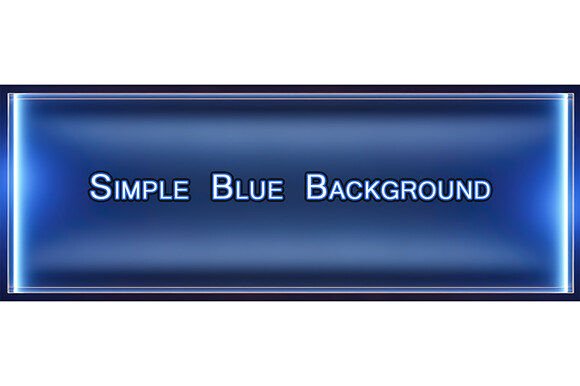
Simple Blue Background for Creative Projects
In a digital landscape saturated with complex textures, chaotic gradients, and overwhelming visual noise, there is an enduring power in simplicity. The Simple Blue Background offers exactly that: a clean, professional canvas that allows your content to take center stage. Whether you are designing a high-impact website banner, creating social media branding assets, or preparing physical packaging for a new product, this specific design element serves as a foundational tool for clarity.
This asset is not merely a color fill; it is a strategic choice. With dimensions of 7000x2623 pixels at 300 DPI, it provides the resolution necessary for both massive outdoor displays and crisp mobile screens. The availability of two distinct variations—the standard simple blue and the version with a soft glow—gives designers the flexibility to set the right mood without compromising on technical quality.
The Versatility of a Clean Canvas
Why does a solid blue background remain a staple in graphic design? It is rooted in psychology and utility. Blue is universally associated with trust, stability, and calmness. When used as a backdrop, it reduces cognitive load, allowing the viewer to focus immediately on the message, the image, or the call to action. Unlike busy patterns that compete for attention, a simple blue field acts as a silent partner in your composition.
The Simple Blue Background with Soft Glow adds a layer of sophistication. This variation introduces depth without clutter. The subtle gradient effect mimics natural lighting, making flat designs feel more organic and inviting. This is particularly effective for modern web interfaces where a sense of space and airiness is crucial for user experience. Conversely, the standard flat version offers maximum contrast, ideal for bold typography or high-contrast photography.
Technical Superiority for Professional Results
One of the most critical aspects of this file is its specification. At 7000x2623 pixels, the aspect ratio is perfectly suited for wide-format applications. Many modern websites utilize full-width hero sections that require high-resolution assets to avoid pixelation on retina displays. A standard 1920px image often falls short when stretched across large monitors or printed on banners.
The 300 DPI resolution ensures that the JPEG format remains sharp even when scaled up significantly. For small business owners and marketers, this means you can use the same source file for a digital newsletter and a large-scale trade show poster without needing to hunt for different versions. The premium quality guarantees that colors remain consistent and vibrant, preventing the washed-out look that often plagues low-resolution downloads.
Creative Applications Across Industries
The adaptability of this background extends far beyond basic design tasks. Creators and entrepreneurs can leverage these files to build cohesive brand identities across multiple touchpoints. Here is how different professionals can integrate this resource into their workflow.
- Website and Blog Design: Use the plain blue version for section dividers or hero images to create a structured layout. The soft glow variant works beautifully behind text blocks to add a subtle highlight that draws the eye to key information without distracting from the readability.
- Social Media Branding: Consistency is key for building an audience. Apply this background to Instagram story templates, YouTube thumbnails, or LinkedIn headers. The uniform blue tone creates a recognizable visual signature that makes your content stand out in a crowded feed.
- Marketing Materials: From postcards to business cards, the high resolution ensures that printed materials look professional. The blue hue conveys reliability, which is essential for service-based businesses like consulting firms, financial advisors, or tech startups looking to establish credibility.
- Event Invitations: Weddings, corporate galas, and community events often benefit from the elegance of a soft glow. It adds a touch of warmth and celebration while maintaining a formal aesthetic.
- Packaging and Merchandise: For product launches, a clean blue background can make the product photography pop. Whether you are designing a box for electronics or a label for organic goods, the neutral yet engaging tone supports the product rather than overshadowing it.
Adapting for Different Audiences and Contexts
While the background itself is static, the way you present it changes based on your target demographic. For a younger, trend-focused audience, pairing the soft glow with neon accents or bold, sans-serif typography can create a futuristic, energetic vibe. For a more traditional or corporate audience, sticking to white text with a serif font against the standard blue background reinforces a sense of authority and timelessness.
Educators and hobbyists might find value in using these backgrounds for instructional materials or presentation slides. The lack of visual distraction helps students focus on the educational content. Similarly, freelancers can offer this as part of a "starter kit" for clients who need immediate, high-quality assets for their initial marketing push.
Practical Tips for Implementation
To get the most out of the Simple Blue Background, consider the following practical strategies during your design process. First, always test your text contrast. While blue is generally safe, ensure that white text is legible against the specific shade provided. If you are using dark text, verify that it stands out clearly against the glow if that variation is selected.
Second, think about hierarchy. If you are adding elements like logos or icons, place them strategically so they do not get lost in the glow. The soft light effect naturally draws attention to the center of the image, making it an ideal spot for primary calls to action or focal points.
Third, maintain consistency across your project. If you choose the soft glow for your main banner, try to match it with similar lighting effects in your secondary graphics. This creates a unified visual language that feels intentional and polished. Avoid mixing the flat blue with other highly textured backgrounds unless you have a specific artistic reason for the contrast.
Optimizing for Digital and Print
Since the file is provided in JPEG format, it is ready for immediate use, but understanding the nuances of compression can help. For web use, ensure you export a slightly compressed version to improve load times without sacrificing the visible quality. For print, keep the original 300 DPI file to guarantee the sharpest output.
When designing for mobile devices, remember that the width of 7000 pixels is more than sufficient. You can crop the image to fit vertical formats like stories or reels, focusing on the central area where the glow is often most balanced. This cropping technique allows one master file to serve multiple platform requirements, saving valuable time in your production pipeline.
Ultimately, the value of this asset lies in its ability to facilitate creativity. It removes the barrier of starting from scratch, allowing you to focus on the core message of your project. Whether you are launching a startup, writing a blog post, or simply organizing your digital workspace, having a reliable, high-quality background is a fundamental step toward professional results. By choosing a design that prioritizes clarity and quality, you signal to your audience that you care about the details, setting the stage for a successful project.