Unlocking Creative Potential with Abstract Light Backgrounds and Blue Wavy Line Designs
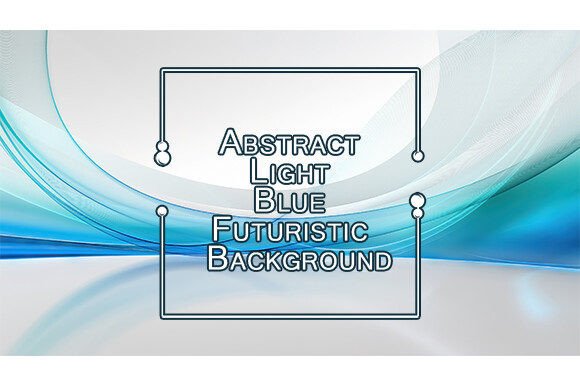
In the rapidly evolving landscape of digital design and visual communication, the choice of a background is often the most critical yet overlooked decision. It sets the tone, establishes brand identity, and dictates how the audience perceives the content that sits atop it. Among the vast array of options available, Abstract Light Backgrounds have emerged as a cornerstone of modern aesthetics. Specifically, designs featuring blue and white wavy lines offer a unique blend of professionalism, fluidity, and calmness that resonates across industries.
This article explores the significance of high-resolution abstract imagery, focusing on the specific attributes of a premium 3675x2100 px JPEG file at 300 DPI. We will delve into why these visual elements are indispensable for applications, websites, and physical branding materials, providing a comprehensive guide for creators looking to elevate their projects.
The Power of Minimalism: Understanding Abstract Light Backgrounds
At its core, an abstract light background is more than just a blank canvas; it is a carefully curated visual space designed to enhance rather than distract. The "light" aspect refers to the use of high-key tones—whites, soft grays, and pale pastels—that create a sense of openness and clarity. This approach aligns perfectly with contemporary design principles where minimalism reigns supreme.
When we discuss abstract elements, we refer to shapes and forms that do not represent specific objects but instead evoke emotion or suggest movement. In the context of a light background, this abstraction prevents the image from becoming cluttered. It allows the viewer's eye to rest while still providing enough texture to avoid the stark emptiness of a pure white screen. This balance is crucial for user experience (UX) on the web and for readability in print media.
For businesses and educators, the psychological impact cannot be overstated. Light backgrounds are associated with cleanliness, transparency, and innovation. They signal to the audience that the content is fresh and accessible. Whether you are designing a financial report or a children's educational app, starting with a clean, abstract foundation ensures that your message remains the focal point.
The Dynamic Flow of Blue and White Wavy Lines
While a solid light background offers stability, adding dynamic elements introduces energy and direction. The combination of blue and white wavy lines is a particularly potent motif in modern graphic design. Blue, universally recognized as the color of trust, intelligence, and calm, pairs seamlessly with white to create a palette that feels both professional and inviting.
The "wavy line" element serves a functional purpose beyond mere decoration. In physics and nature, waves represent flow, continuity, and change. By incorporating these curves into a static image, designers can subtly guide the viewer's eye across the page. This technique, known as visual flow, is essential for:
- Website Navigation: Subtle lines can lead users toward call-to-action buttons without being aggressive.
- Storytelling: Waves can symbolize a journey or progression, making them ideal for timeline graphics or case study presentations.
- Branding: Fluid lines suggest adaptability and growth, traits highly valued by startups and tech companies.
Unlike rigid geometric grids which can feel corporate and cold, wavy lines add a human touch. They soften the overall aesthetic, making complex information easier to digest. When these lines are rendered in varying shades of blue against a white backdrop, they create a sense of depth and dimensionality without the need for heavy shadows or gradients.
Technical Superiority: Why Resolution and Format Matter
In the world of digital assets, quality is non-negotiable. The specific file mentioned—a 3675x2100 px resolution at 300 DPI in JPEG format—represents the gold standard for versatile usage. To understand why this matters, one must look at the technical specifications.
Resolution (3675x2100 pixels): This ultra-high definition size provides ample room for cropping and scaling. Whether you are creating a full-screen hero banner for a website or a small icon for a mobile application, having a source file of this magnitude ensures that no detail is lost. It eliminates the pixelation that often plagues lower-quality images when stretched.
DPI (300 Dots Per Inch): This metric is the bridge between the digital and physical worlds. A 300 DPI file is the industry requirement for high-quality printing. If you intend to use this background for business cards, posters, or packaging, a lower resolution would result in blurry, jagged edges. With 300 DPI, the printer receives a crisp, sharp image that looks professional under close inspection.
JPEG Format: While PNG is often preferred for transparency, JPEG remains the superior choice for complex photographic or gradient-heavy abstract art due to its efficient compression. It balances file size with image fidelity, ensuring fast load times on websites while maintaining the rich details of the blue and white wave patterns.
Practical Applications Across Industries
The versatility of this abstract light background makes it a "Swiss Army knife" for designers. Its utility spans a wide spectrum of creative and commercial endeavors.
Digital Presence and Web Design
In the digital realm, first impressions happen in milliseconds. Using this background for a website header or blog post immediately conveys a modern, tech-savvy vibe. The light tones ensure text remains legible, while the subtle waves add character to landing pages. For social media branding, these images serve as perfect templates for Instagram stories or LinkedIn headers, allowing brands to maintain a consistent visual identity across platforms.
Print Media and Packaging
The transition from screen to paper requires precision. Thanks to the 300 DPI specification, this file is ready for high-end print production. Imagine a luxury notebook cover featuring these wavy lines; the texture would feel sophisticated and tactile. Similarly, for product packaging, the abstract design adds a layer of elegance that distinguishes a product on a crowded shelf. Postcards and invitations benefit from the same quality, offering recipients a premium unboxing or opening experience.
Business Communications
Professionalism is key in corporate environments. Business cards printed with this background stand out because they are not generic. The blue tones subconsciously communicate reliability to clients. Furthermore, presentation slides and pitch decks become more engaging when the background supports the data rather than competing with it. The abstract nature allows for easy overlay of charts, graphs, and bullet points.
Bridging Creativity and Technology
The integration of such high-quality abstract assets into daily workflows highlights the intersection of creativity and technology. In an era where remote work and digital collaboration are the norm, having a library of premium, ready-to-use backgrounds saves valuable time. Instead of spending hours designing a base from scratch, professionals can focus on the content strategy, knowing the visual foundation is solid.
Moreover, this type of design reflects a broader trend in technology: the move towards user-friendly interfaces. Just as software becomes more intuitive, visual design is moving away from clutter and towards fluid, organic shapes. The blue and white wavy lines mimic the natural flow of data or water, creating a subconscious connection between the user and the interface.
Common Misunderstandings About Abstract Design
There is a common misconception that abstract backgrounds are too vague or difficult to pair with content. Some believe that without distinct imagery, the design lacks purpose. However, the opposite is true. Abstract designs provide a neutral stage that allows your actual content—whether it is a product photo, a quote, or a logo—to take center stage. The "meaning" of the background is derived from its mood, not its literal representation.
Another misunderstanding involves the color blue. Some assume blue is too cold or corporate. Yet, when paired with white and used in a wavy, fluid pattern, it becomes approachable and friendly. It strikes a balance between the sterility of white and the intensity of darker colors, making it suitable for a diverse range of audiences, from healthcare providers to creative agencies.
Conclusion: Elevating Your Visual Identity
In conclusion, the Abstract Light Background with Blue and White Wavy Lines is more than just an image; it is a strategic tool for effective communication. Its high resolution (3675x2100 px), print-ready quality (300 DPI), and versatile JPEG format make it an invaluable asset for any project requiring a touch of modern elegance.
From building a robust online presence to crafting tangible marketing materials like notebooks and business cards, this design bridges the gap between artistic expression and practical utility. By understanding the power of light, flow, and color, creators can produce work that not only looks beautiful but also functions effectively in the real world. Whether you are a seasoned designer or a beginner exploring the world of visual arts, embracing these abstract elements can significantly enhance the quality and impact of your work.
As we continue to navigate a visually saturated digital age, the ability to choose the right background can make all the difference. Let the fluidity of blue waves and the clarity of light guide your next creative endeavor, ensuring that your message is not only seen but felt.